Reliable provider offering 24/7 plumbing & HVAC services
Whether you're installing a new septic system, replacing a failing tank, accessing your tank for emergency repairs, or exposing components for inspection, professional septic tank excavation requires specialized equipment, experienced operators, and knowledge of local soil conditions and frost depths. In Grande Prairie's climate, excavation must account for frost penetration depths of 8-10 feet, clay soil that becomes extremely difficult to dig when wet or frozen, and water tables that fluctuate seasonally. Improper excavation techniques can damage existing systems, create unsafe working conditions, or result in installations that don't meet regulatory depth requirements.
At TMK Plumbing & Heating, we provide professional septic tank excavation services throughout Grande Prairie and surrounding rural areas. Our experienced operators use appropriate equipment for your specific soil conditions and project requirements, work safely in all weather conditions, and coordinate excavation timing with installation schedules to minimize project delays. When you call us for septic tank excavation in Grande Prairie, you're getting professionals who understand local conditions and complete excavation work properly the first time.
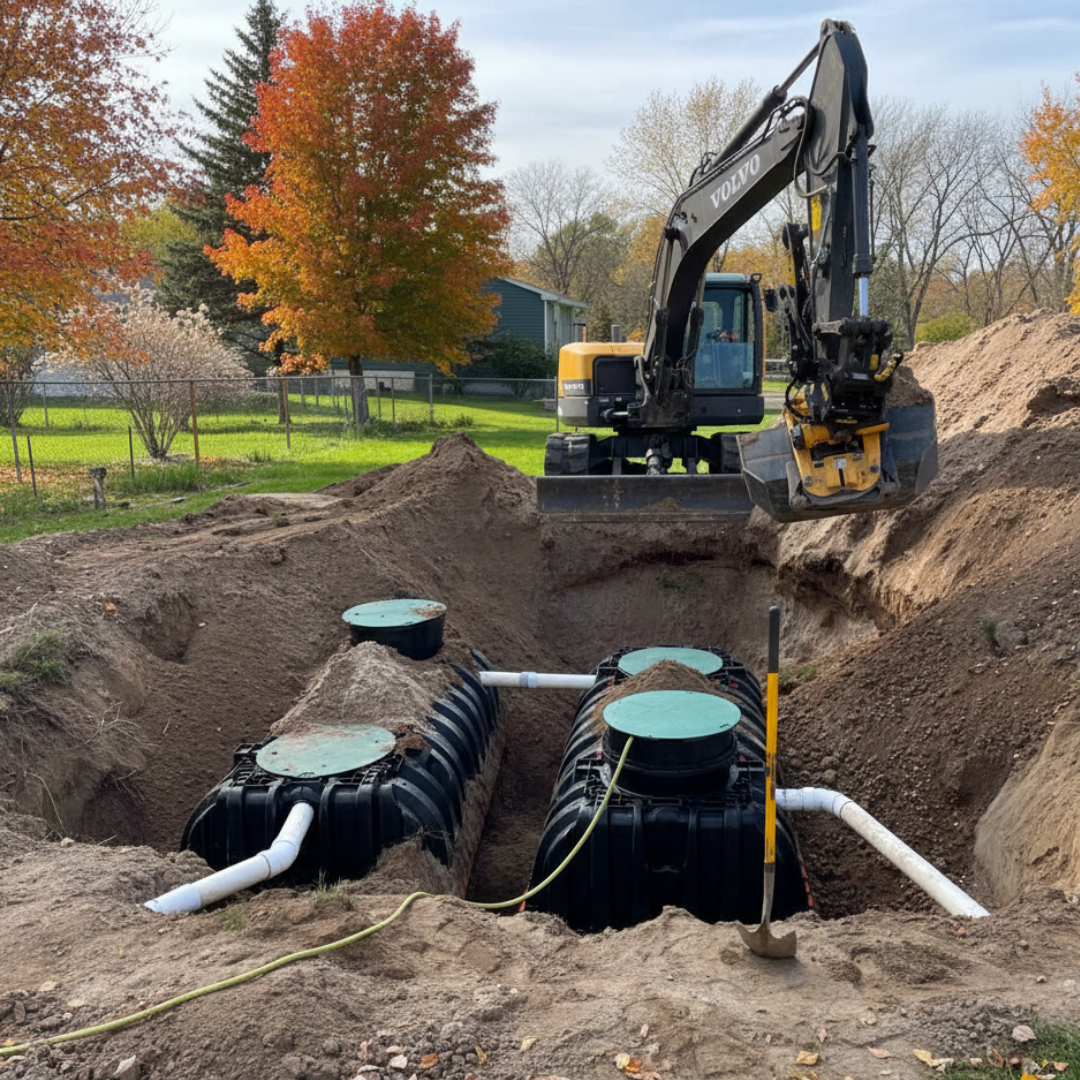
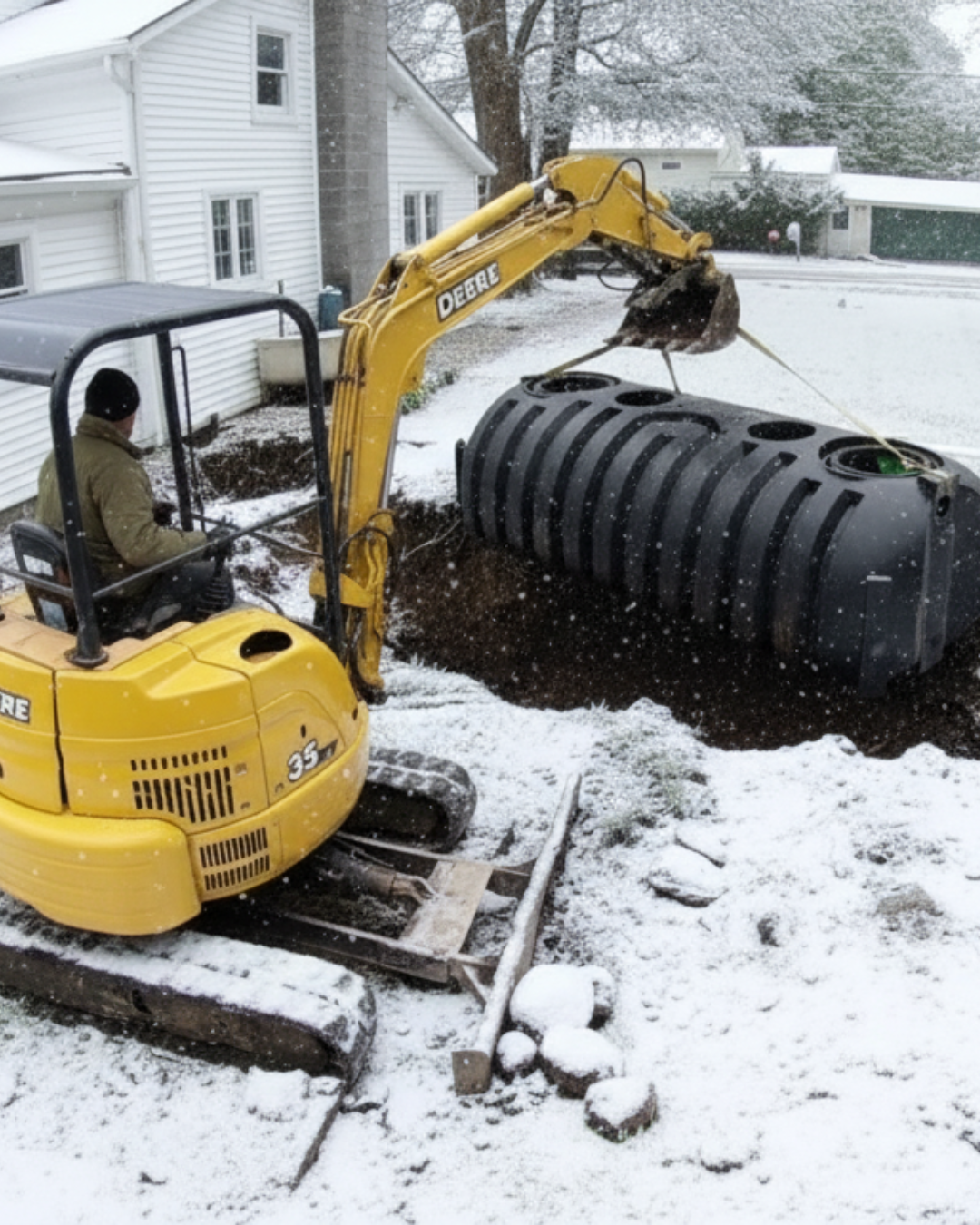
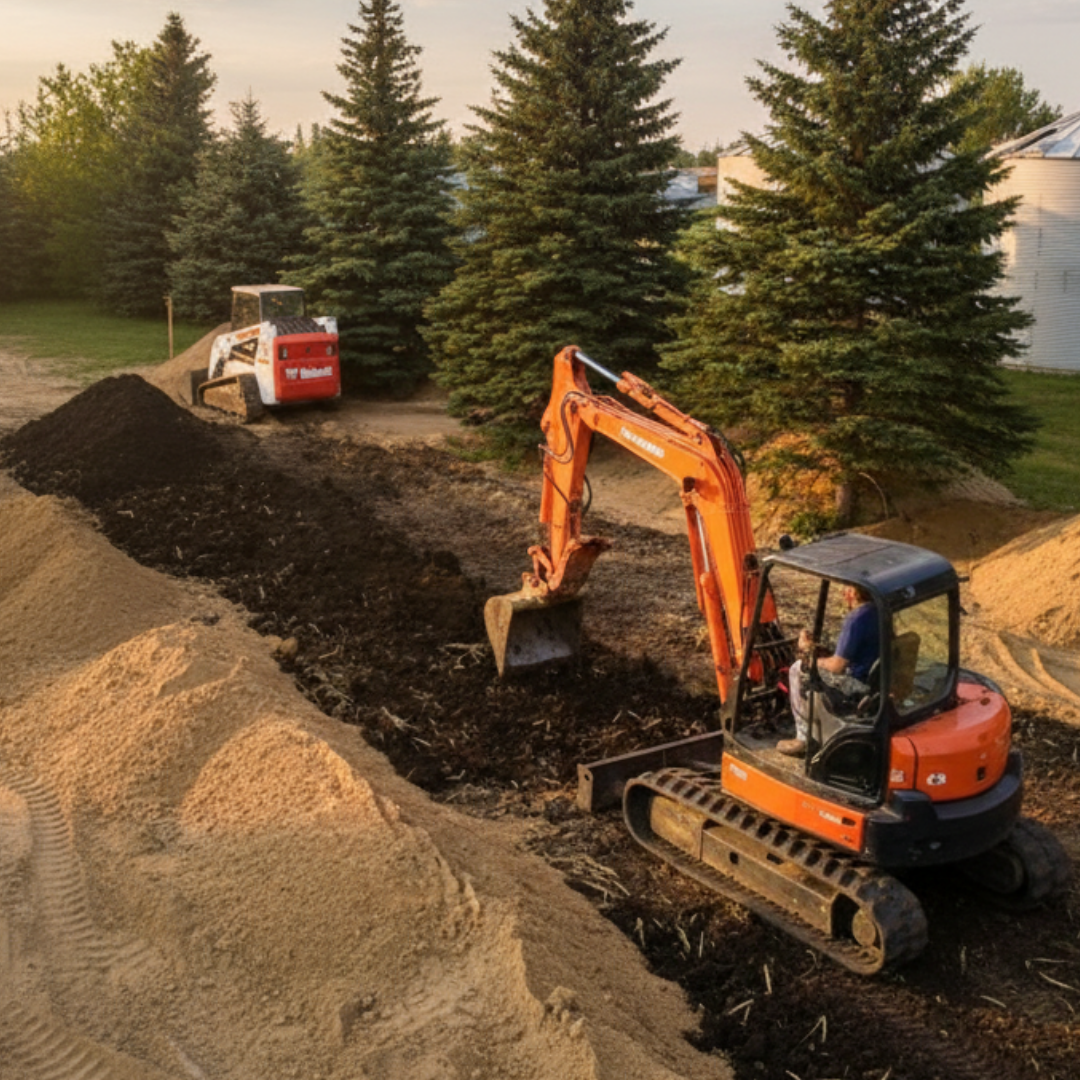
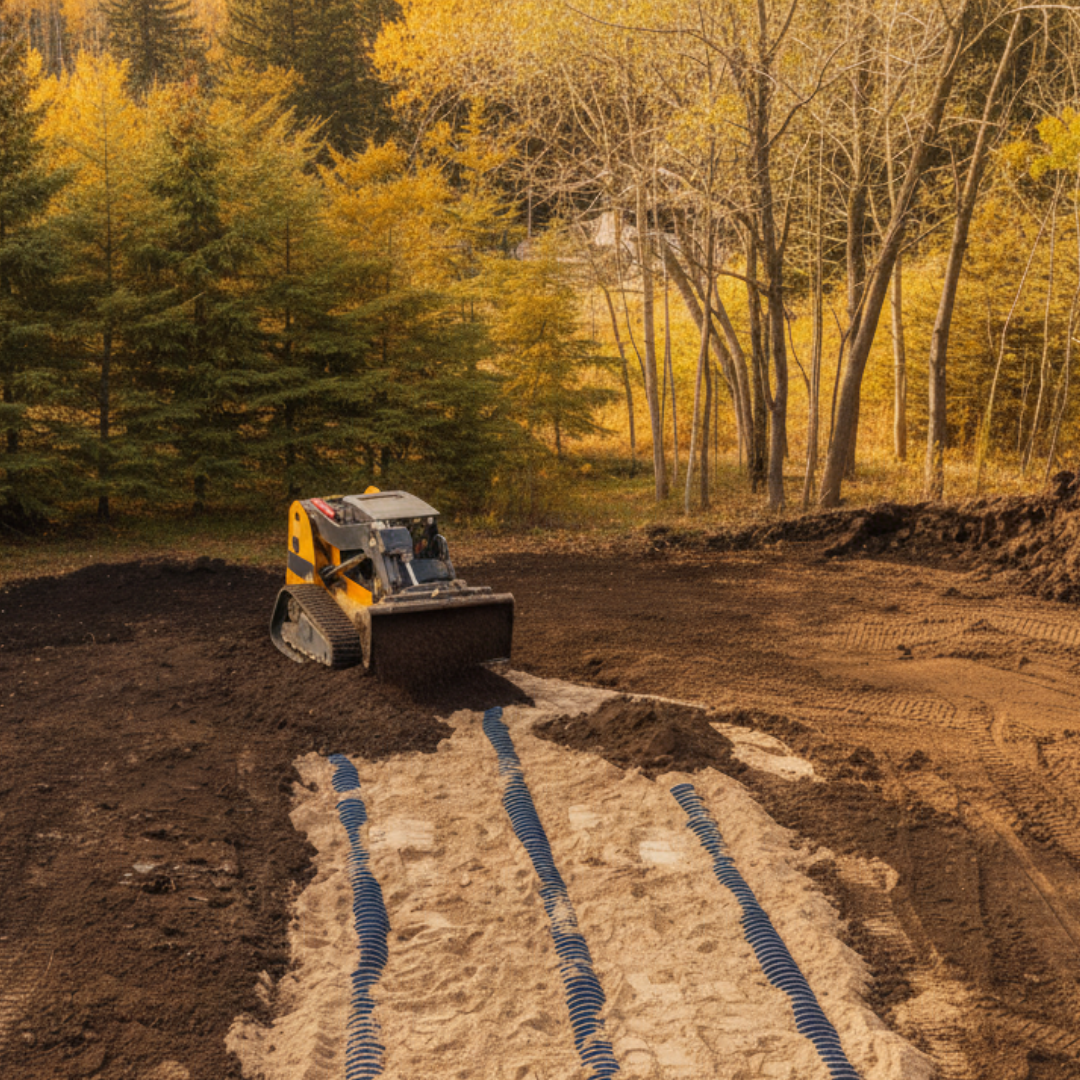
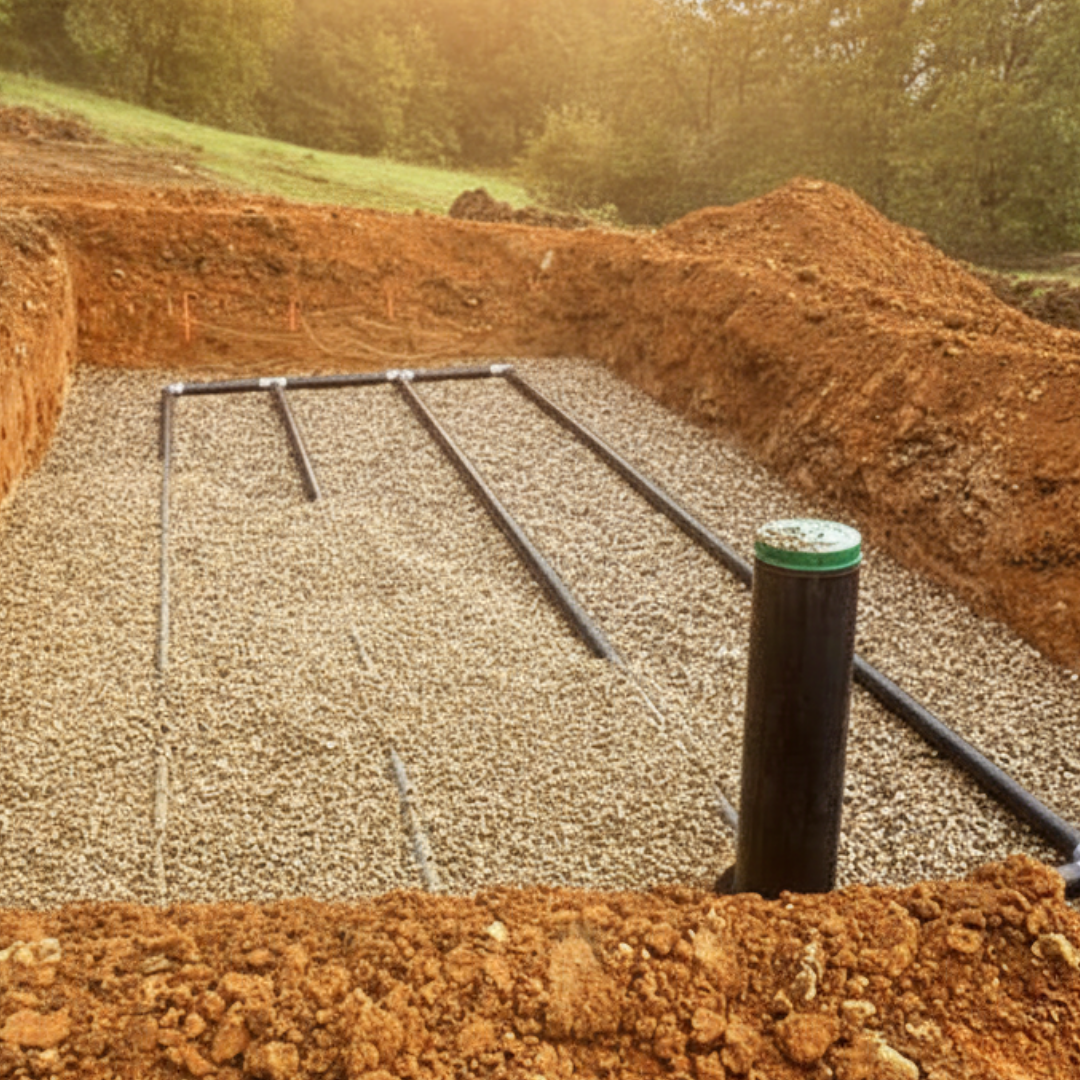
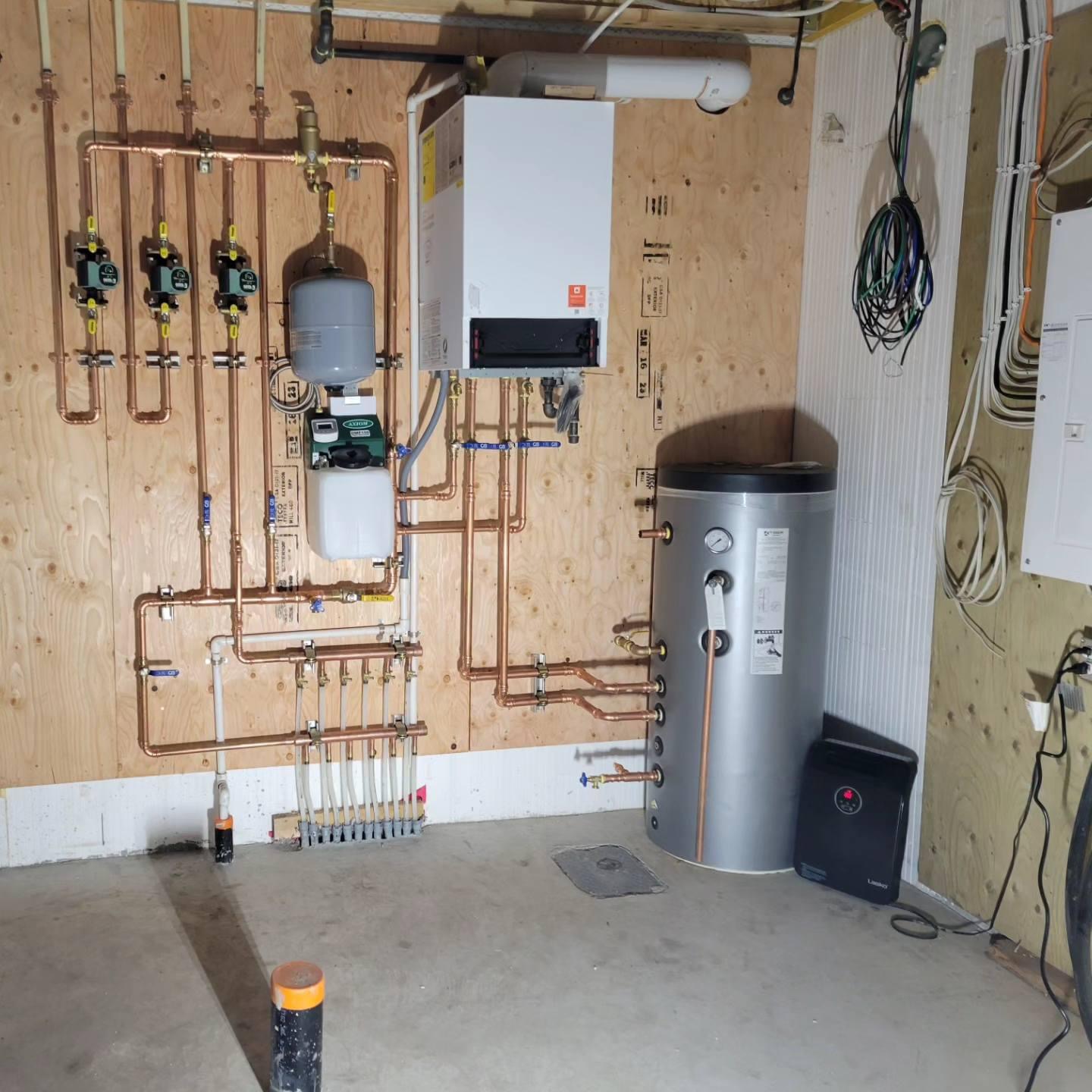
We handle every type of septic tank excavation project for Grande Prairie area properties, from residential installations to large acreage systems. Our professional excavation services ensure safe, precise digging that meets all requirements.
Septic tank replacement excavations require careful work to expose existing tanks without damaging surrounding components. We locate buried tanks accurately using existing records or locating equipment, excavate around tanks to allow safe removal, assess and prepare the excavation for new tank installation, and coordinate timing so new tanks can be installed immediately after old tank removal, minimizing project delays and property disruption.
Emergency excavation services provide rapid access to septic tanks for urgent repairs, blockage clearing, or system failures. We respond quickly with appropriate equipment, safely expose the necessary components, and work efficiently to minimize property disruption while allowing repair crews immediate access to resolve critical septic issues.
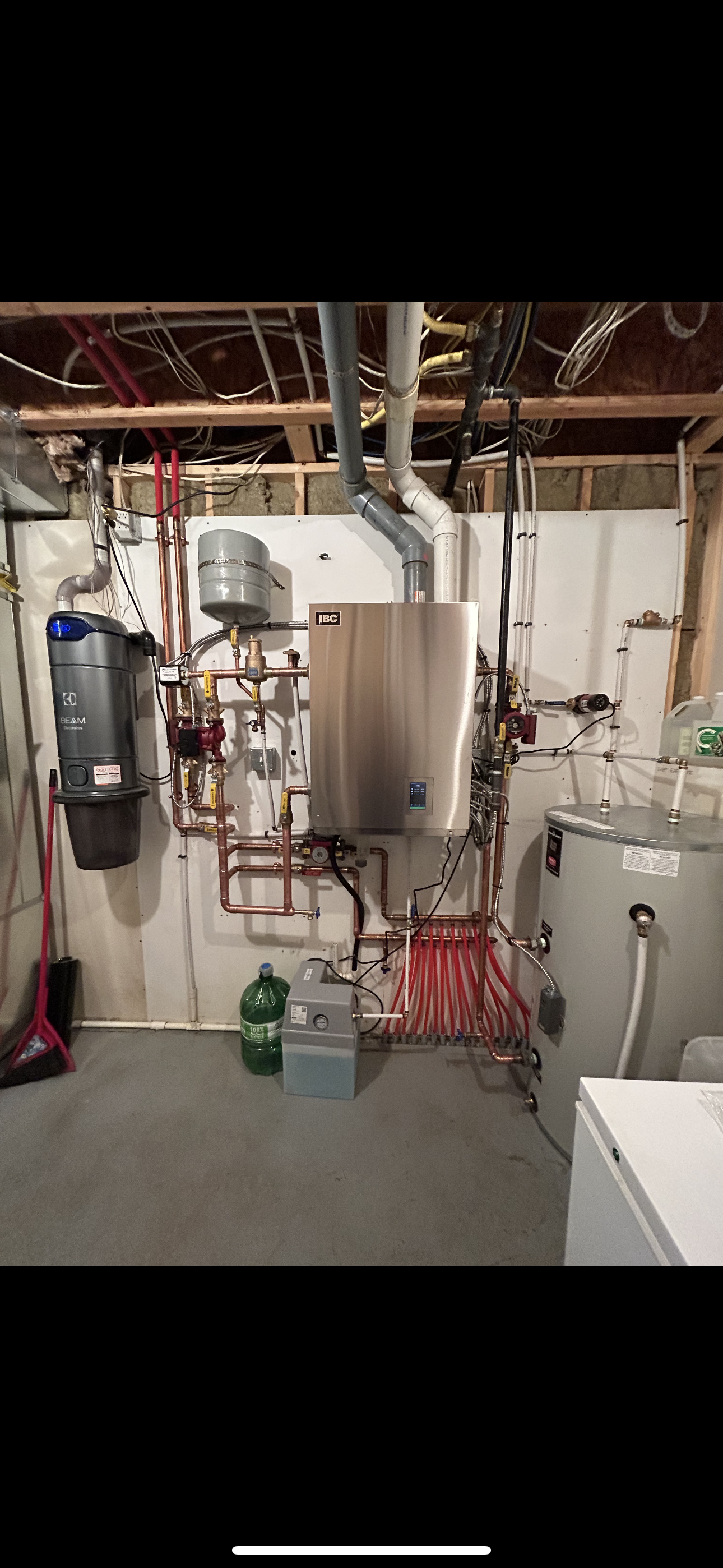
Septic tank excavation requires specialized equipment and strict safety protocols to protect workers, property, and existing infrastructure. We use professional-grade machinery operated by experienced personnel trained in safe excavation practices.
Our Excavation Equipment:
Safety is Our Priority:
We follow strict safety protocols including calling Alberta One-Call before excavation to locate utilities, maintaining safe trench depths and slopes to prevent cave-ins, using trench boxes or shoring in unstable soils, keeping excavations properly barricaded when work isn't active, and ensuring all operators are trained in equipment safety and excavation best practices.
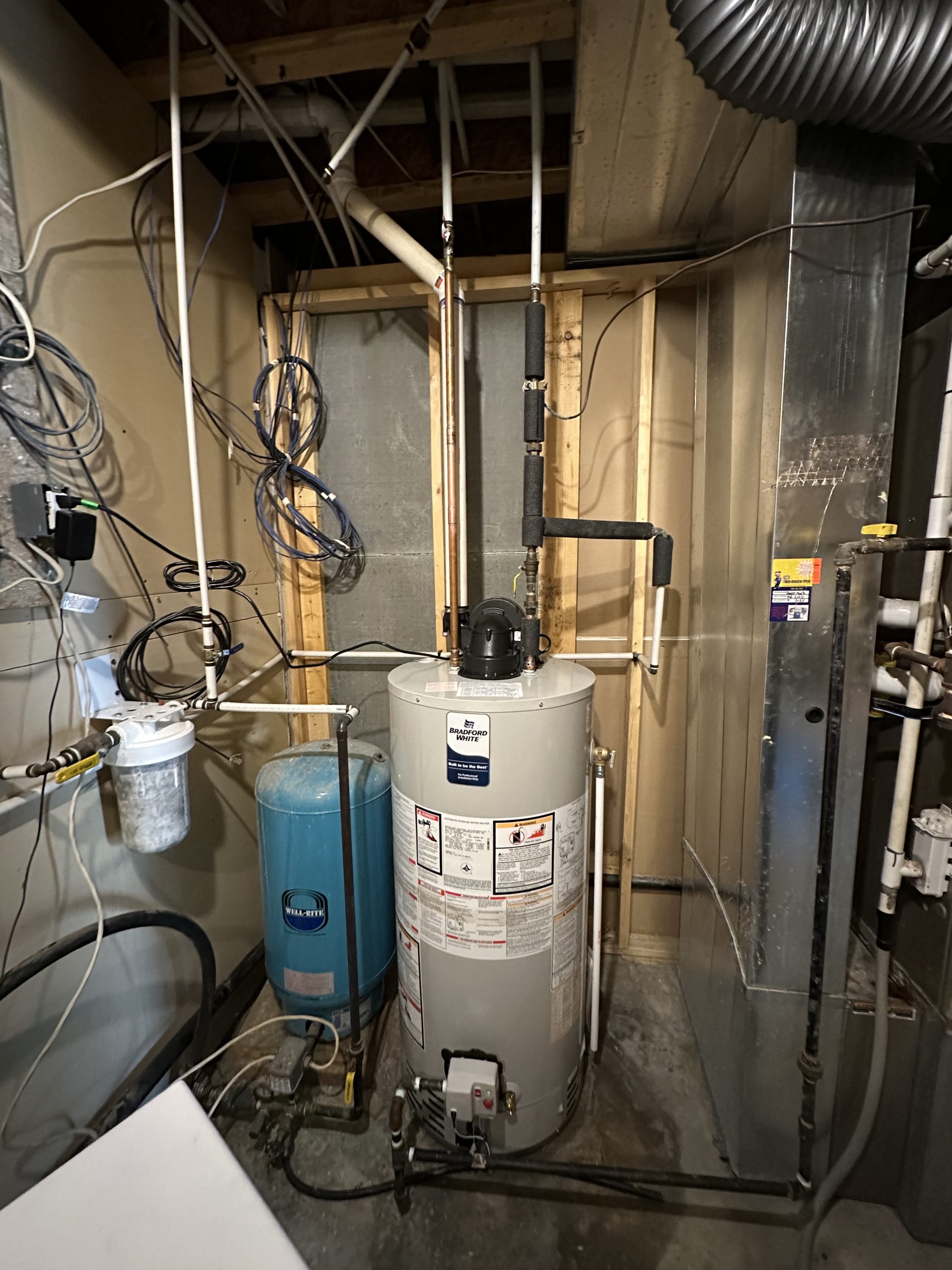
When you need septic tank excavation in Grande Prairie, you want experienced operators who work safely, efficiently, and understand local soil conditions. Here's why property owners trust TMK Plumbing & Heating:
Our Septic Excavation Advantage:
From rural properties to residential lots, TMK Plumbing & Heating provides reliable septic excavation services throughout Grande Prairie with professionalism property owners trust.
Safety is our top priority at TMK Plumbing & Heating. We adhere to all Alberta occupational health and safety regulations, trench safety standards, and excavation best practices to ensure our work sites are safe for our team, your property, and the environment.
Our operators are trained in proper excavation safety protocols and equipment operation. We follow strict procedures including utility location, trench stabilization, and site protection that meet all regulatory requirements and industry standards for safe excavation work.
TMK Plumbing & Heating is proud to be locally owned and operated in Grande Prairie. When you choose TMK for septic tank excavation, you're supporting a company committed to safe work practices and our community's wellbeing.
Most residential septic tank excavations take 4-8 hours to complete, though project duration varies based on several factors. Simple tank replacement excavations in accessible locations with favourable soil may take just 4-5 hours.
New system installations requiring tank excavation plus distribution field preparation typically take a full day (8-10 hours). Challenging conditions including rocky soil, high water tables, frozen ground, or limited equipment access can extend excavation to 2 days.
Weather significantly impacts timing – wet conditions slow work and frozen ground requires more time. We schedule excavations to coordinate with tank delivery and installation timing, ensuring the excavation is ready precisely when needed to keep your project on schedule.
Yes, we excavate for septic systems year-round in Grande Prairie, including winter months when ground is frozen. However, winter excavation presents significant challenges and costs more due to slower work pace and equipment wear.
Frozen ground requires more powerful equipment and more time to break through, particularly in our clay soils. We sometimes use frost rippers or excavate in stages to manage frozen conditions effectively. Spring and fall are ideal excavation seasons when ground isn't frozen but also isn't saturated with moisture.
Summer excavations work well except during extremely wet periods when clay soil becomes sticky and difficult to manage. We recommend scheduling septic projects during favorable weather when possible, but we have the equipment and experience to excavate safely in any season when necessary.
Yes, locating existing septic tanks before excavation is critical to prevent damage and work efficiently. We use several methods to find buried tanks including reviewing property records and original installation plans if available, using ground-penetrating radar or electronic locating equipment to identify buried tanks, probing suspected tank locations with metal rods, and following visible clues like depressions, greener grass patterns, or distribution field locations that indicate tank placement.
Accurate location prevents accidental damage to tanks or distribution fields during excavation, saves time by eliminating exploratory digging, and allows us to plan the most efficient excavation approach. If you're unsure where your septic tank is located, we can locate it as part of our excavation service.
Soil removed during septic excavations is managed based on soil type and project requirements. Good quality topsoil is typically stockpiled separately on your property for use in final grading and restoration after installation is complete. Subsoil and clay are either stockpiled for use as general backfill around tanks and over distribution fields, or removed from the property if unsuitable for backfill or if quantities exceed what's needed.
We often import clean granular material (sand or gravel) for immediate backfill around tanks to ensure proper drainage and tank support – native clay soil doesn't provide adequate drainage. We coordinate soil management with property owners, minimizing waste while ensuring your property is properly restored after excavation. Any excess soil disposal is included in our quoted excavation price.
We take several measures to minimize property damage during septic excavation. Before starting, we establish access routes that minimize lawn damage and identify areas requiring protection like landscaping, driveways, and utilities. We use ground protection mats under heavy equipment when working on lawns or finished surfaces.
Excavated soil is placed on protective tarps or designated stockpile areas away from landscaping. We maintain clean work sites with proper erosion control to prevent soil runoff. After excavation and installation are complete, we properly backfill with appropriate compaction, restore final grades to match existing contours, and remove all debris.
While some temporary disruption is unavoidable with excavation work, we work carefully to minimize impact and restore your property to good condition when the project is complete.
Yes, calling Alberta One-Call (also known as Alberta First Call) before any excavation is legally required and critically important for safety. We contact Alberta One-Call at least two business days before excavation begins, providing project location and scope details.
Utility companies then mark the locations of buried gas lines, electrical cables, phone lines, fiber optic cables, and water lines within the excavation area. This prevents accidentally striking utilities during excavation, which can cause service disruptions, injuries, explosions, or electrocutions. Utility location is included in our service – property owners don't need to call separately.
However, Alberta One-Call only locates public utilities up to your property line. Private utilities like septic systems, irrigation lines, and private water services are the property owner's responsibility to locate, which we assist with using locating equipment.
Grande Prairie's heavy clay soil presents the most common excavation challenge; clay is extremely difficult to dig when wet, becoming sticky and unworkable, and nearly impossible to excavate efficiently when frozen solid. Rocky soil and areas with significant bedrock require powerful equipment and more time to excavate, sometimes necessitating rock hammers or hydraulic breakers.
High water tables create unstable excavations that require continuous pumping and careful trench management to prevent cave-ins. Sandy soils excavate easily but require trench boxes or shoring because they don't maintain stable walls.
Mixed soil conditions where you encounter different soil types at various depths complicate excavation planning. Our experienced operators recognize these conditions and adapt techniques accordingly, using appropriate equipment and safety measures for whatever soil conditions your property presents.